
Transform your care
Dry needling for pain, tension and pelvic health.
Trigger point and pelvic floor dry needling from Doctors of Physical Therapy with advanced dry needling certification, built into a one-on-one plan of care in Uptown, Greenwood Village and Boulder.
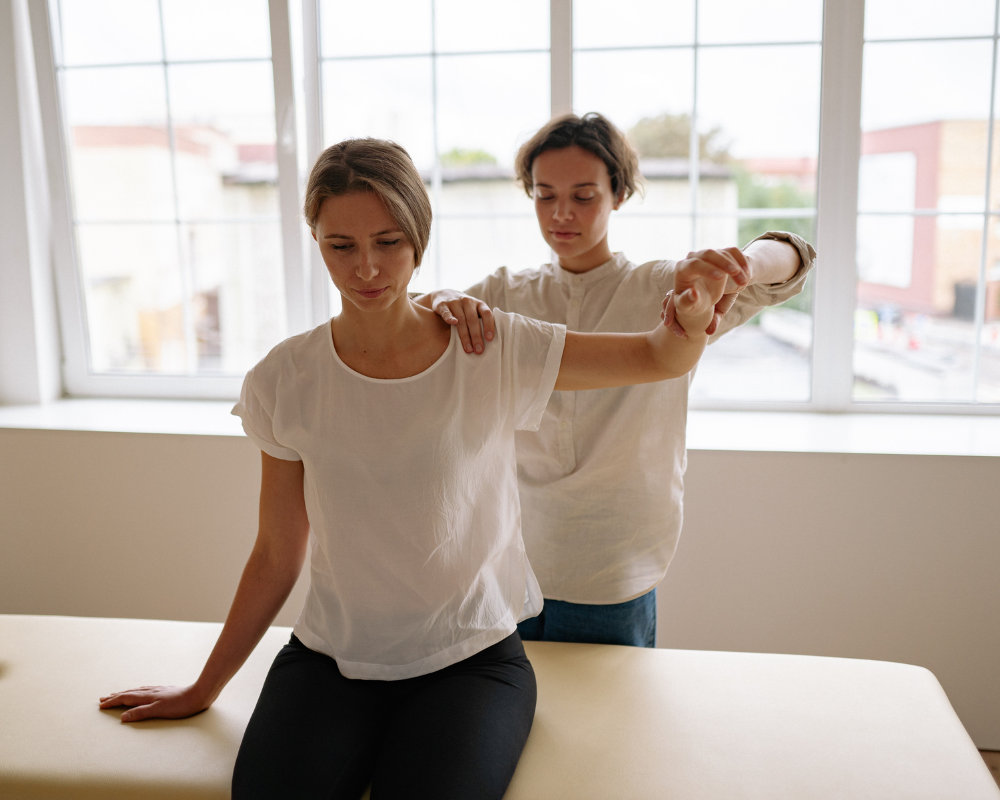
CMTPTCertified trigger point therapist
1:1Every visit, every time
Pelvic floorDry needling training
What is dry needling?
A precise way to release what’s been holding on.
Dry needling uses a very thin, solid, sterile needle to reach trigger points and tight bands of muscle that hands can’t fully access. Releasing those points can reduce pain, calm an overactive muscle and restore movement, which makes the rest of your therapy work better.
At N2 it is never a stand-alone treatment. Your Doctor of Physical Therapy evaluates you first, then uses dry needling alongside exercise, manual therapy and education, in a private room for up to a full hour.
Evidence-based
Grounded in anatomy and physical therapy assessment, not traditional Chinese medicine.
Specialist trained
Performed by Doctors of Physical Therapy with advanced dry needling coursework and certification.
Part of a plan
Combined with movement and hands-on care so the change sticks.
What it can help
When muscles won’t let go, dry needling can.
Your clinician recommends dry needling only when your evaluation shows it’s likely to help.
Pelvic pain
Pelvic floor tension, pain with sex or exams, vulvodynia, pudendal nerve irritation and chronic pelvic pain.
Bladder and bowel symptoms
Urgency, frequency and constipation driven by an overactive pelvic floor.
Back, hip and tailbone pain
Low back, hip, SI joint and tailbone pain that hasn’t responded to other care.
Pregnancy and postpartum
Muscle pain and tension during and after pregnancy, including abdominal and scar-related restrictions, when appropriate for you.
Post-surgical and cancer recovery
Scar tissue, muscle guarding and pain after surgery or cancer treatment.
Active and athletic pain
Runners, lifters and golfers with trigger points, tight muscles or recurring strains.
What to expect
Your first dry needling visit.
1. Evaluation
Your clinician reviews your history, assesses movement and muscles, and explains whether dry needling fits your goals.
2. Consent and treatment
You agree on the exact areas before anything starts. Needles stay in briefly, and you may feel a twitch or deep ache as a muscle releases.
3. Movement and follow-up
Treatment is followed by exercise and hands-on care, plus guidance on soreness and what to do at home.
Who provides it
Dry needling from clinicians with advanced certification.
N2’s dry needling is led by Doctors of Physical Therapy who hold advanced trigger point and pelvic floor dry needling training.

Ask about availability
Find a dry needling provider
Dry needling availability varies by clinic and clinician. Our admin team will match you with a trained provider at the location that works for you.
Meet the team
Questions
Dry needling FAQ
Is dry needling the same as acupuncture?
No. Both use thin, solid needles, but acupuncture is based on traditional Chinese medicine. Dry needling is based on anatomy and physical therapy assessment, and targets specific trigger points, tight muscle bands and tissues that are part of your movement or pain problem.
Does dry needling hurt?
Most people feel very little as the needle goes in. When a trigger point releases you may feel a brief twitch, deep ache or cramp. Some soreness for a day or two afterward is common, similar to after a hard workout.
Is pelvic floor dry needling done internally?
Pelvic floor dry needling targets the muscles of the pelvic floor and the surrounding hip, abdominal and back muscles. Your clinician explains exactly which areas they recommend and why, and nothing happens without your consent. You can stop at any time.
Is dry needling safe during pregnancy?
It depends on you, your pregnancy and the area being treated. Your clinician reviews your health history and talks through the options with you before recommending dry needling, and uses other hands-on techniques when needling isn’t the right fit.
How many sessions will I need?
Dry needling is one tool inside your plan of care, not a stand-alone treatment. Many people notice a change in the first few sessions, and your clinician combines it with exercise, manual therapy and education so the results last.
Is dry needling covered by insurance?
Dry needling is part of a physical therapy visit, so it follows your plan’s physical therapy benefit when you use insurance. Self-pay patients pay their clinician’s session rate. See Rates & Insurance for details.